


Watch Out! 5 ‘Healthy’ Foods That Aren’t Actually Healthy


Photo credit: Fooducate

“Healthy” can be a loaded word, used by marketers and the easily fooled to evoke a strong emotional response. But many foods that are touted as healthy are actually anything but.
For example, muffins may seem like a healthy breakfast choice — but they’re really mini-cakes that can pack 400 to 500 calories without offering any real nutrients. Meanwhile, “low fat” items often mean that extra carbs and sugar have been added to boost flavor without fat.
Don’t fall for a food’s “healthy” reputation. Here are 5 foods that seem virtuous but actually aren’t:
1. Agave Nectar
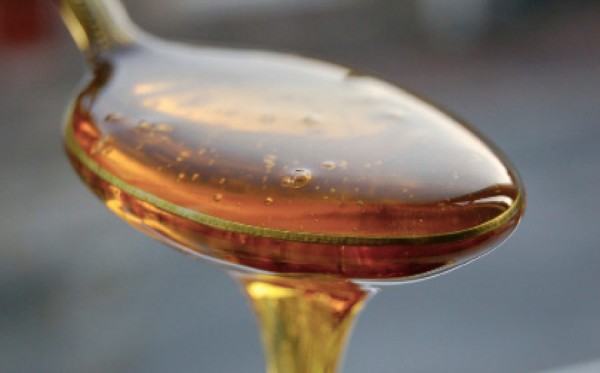
Photo credit: Daily Eater
In recent years, agave nectar has been touted as an all-natural sweetener that makes a better substitute for sugar than chemical products like aspartame or Splenda — but it’s not really natural. According to Natural News, most agave nectar is heavily processed, just like high-fructose corn syrup — and agave nectar is actually even higher in fructose content than high fructose corn syrup. If you want a truly natural sweetener, reach for Miel de Agave (traditionally made agave nectar) or honey.
2. Coconut Milk
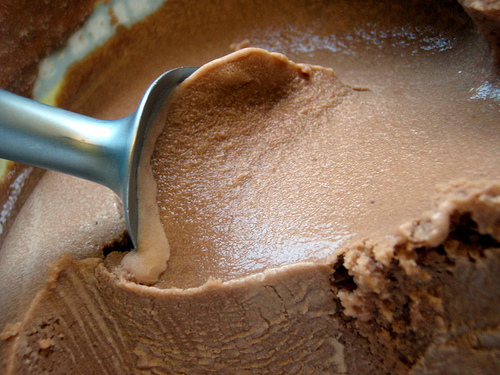
Coconut milk can be used in ice cream and other products as a dairy alternative, but it’s very high in saturated fat — and you shouldn’t ignore that. According to The Los Angeles Times, coconut milk products boast that they’re rich in a type of saturated fat called MCFAs (medium-chain fatty acids), and some studies have shown that MCFAs may speed up metabolism and boost weight loss. However, science has yet to show that MCFAs are any different from other saturated fats — so don’t think you can eat an entire pint of coconut milk ice cream guilt-free.
3. 100-Calorie Packs
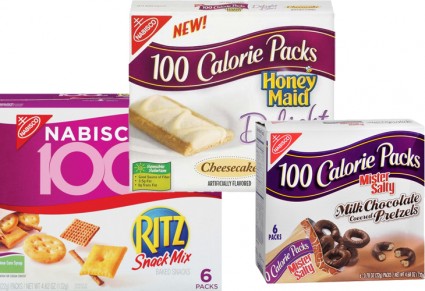
Photo credit: Hellawella
It’s tempting to buy the tiny 100-calorie packages of all of your favorite childhood treats: Oreos, Hostess cupcakes, Goldfish and the like. Sure, if you’re on an overall low-calorie diet, eating a small amount of a treat means you’ll still have calories left for later — but 100-calorie packs of high-carb processed foods shouldn’t be considered healthy. They rarely contain any protein, fiber or important vitamins, and since they make your blood sugar spike, eating these small snacks will just make you crave more. You’re much better off snacking on calorie-dense, nutritious foods like fruit, veggies and nuts.
4. Canned Soups
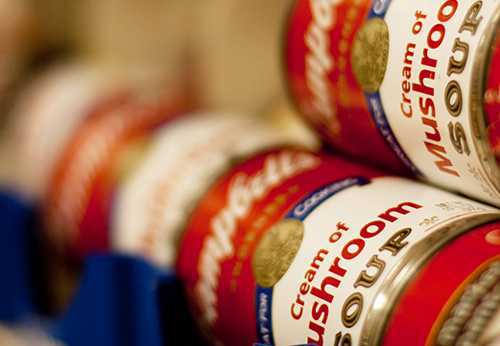
Photo credit: The Kitchn
When soups claim to be “light” and “low-fat,” they sound healthy — but canned soups often pack way more sodium than you need, especially when a single can contains two servings. For example, Progresso’s Healthy Classics Garlic and Pasta Soup contains a whopping 450 mg of sodium per cup — 900 for two cups. This particular soup has a bit of protein and fiber — but the lightest soups often contain very little of either, meaning they won’t keep you full for very long. Lastly, cans (and many plastic bottles) contain Bisphenol A (BPA), which has been linked to heart disease and diabetes. Watch out!
5. “Veggie” Chips
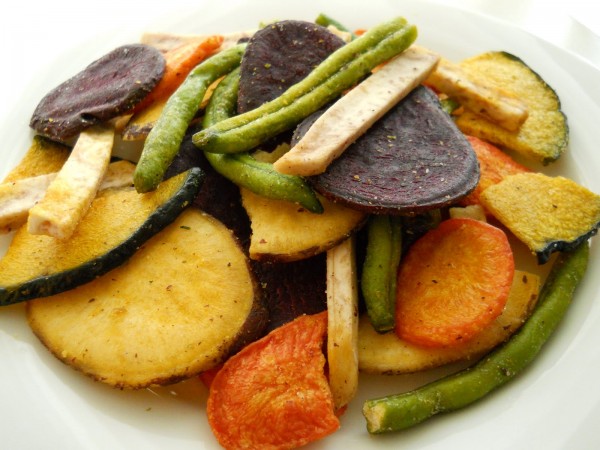
Did you know that many “veggie” chips are actually just made with potato flour and then treated with food coloring to look like veggies? Don’t be fooled! Read nutrition facts carefully to be sure that your chips list a vegetable as the first ingredient (Terra Chips pass the test). Also, be careful not to munch mindlessly, since even vegetable-based chips can be easy to overindulge in. You might also try baking your own kale chips!


